FOOTBALL FOR TRAUMA SURVIVORS
In recent years, there has been an increased awareness of the unique challenges faced by people dealing with post-traumatic stress disorder (PTSD). Trauma is an “invisible injury” – a wound that cannot be seen by the eye (Lewis-Herman, 2017). Furthermore, trauma is a critical and multidimensional life event that affects “the individual’s psychological, physical, social, emotional, or spiritual functioning and well-being” (SAMHSA, 2014, p. 7). Due to its “invisible” nature and widespread effects, many victims experience feelings of shame, low self-worth, and sometimes struggle to explain or “prove” their condition to those around them.
The tragic events of October 7, 2023 in Israel led to a surge in the number of people dealing with PTSD. Beit HaLochem in Jerusalem, an institution where veteran soldiers with disabilities rec
eive rehabilitation and sports treatments, repo
rted a significant increase in requests for help. As a result, the Jerusalem Foundation launched this meaningful program in partnership with Beit HaLochem and Hapoel Jerusalem (a football club with a long tradition of community involvement).
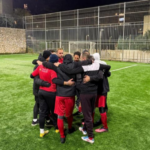
The program’s goal is twofold: to provide physical activity and participation in competitive sports, and to create a safe, empowering space that validates participants’ feelings and helps them cope with the negative consequences of trauma. At the heart of the program is a dedicated football team for trauma survivors. This unique collaboration between the Jerusalem Foundation, Hapoel Jerusalem, a football club with a long tradition of community involvement and Beit HaLochem in Jerusalem brings the expertise and sensitivity required in working with trauma survivors.
In the initial stage, the team includes up to 20 participants, a deliberate choice to ensure personal attention and meaningful team dynamics. Weekly football training is led by a professional club coach and supported by Beit HaLochem staff, with sessions tailored to individual needs. The team plays friendly matches against other club teams, encouraging integration and positive competition. Participants and their families are also invited to Hapoel professional team games at Teddy Stadium, strengthening their connection to the broader club community. Beyond football, the program offers enrichment activities that build social bonds and promote personal growth.
At the end of the season, a full day event is held for players and families together with participants in Hapoel Jerusalem’s other community program. This festive and enjoyable event helps build a sense of belonging, community, and identification. It provides an opportunity to celebrate the year’s achievements, strengthen the connections formed, and emphasize the bond within the club’s community.
This program represents an important step towards healing and rehabilitation. It offers not just physical activity, but also a supportive community, a sense of belonging, and an opportunity to reconnect with life through sports and community.