Founded by the Jerusalem Foundation, the Mishkenot Sha’ananim Campus is an international multidisciplinary center of culture and dialogue at the cornerstone of modern Jerusalem. It is home to a range of world-class civil society and cultural institutions that play a vital role in the development of creative culture in the city, in line with the Jerusalem Foundation’s vision for 2030. Mishkenot Sha’ananim exposes local writers, artists, scholars and audiences to international influences, while drawing on the unique inspiration of Jerusalem and Israel to influence global discourse and position them as world centers for the arts and intellectual exploration.
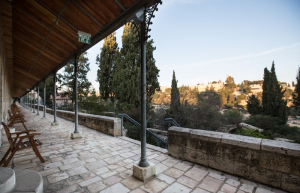
The campus, housed in a restored 19th century compound and commanding breathtaking views of the Old City, hosts world-class institutions that draw distinguished guests from around the world. The Maurice Dwek Residence Retreat and Guesthouse hosted and inspired the Dalai Lama, Paul Auster, Amos Oz, Marc Chagall, Jean-Paul Sartre, Simone de Beauvoir and many more. Other institutions include the Konrad Adenauer Conference Center, the Jerusalem Music Center, the Jerusalem Press Club, the Jerusalem Center for Ethics and the Dwek Gallery. The surrounding grounds form one of the most stunning green open spaces in Jerusalem and house several historical attractions, including the landmark Montefiore Windmill, ancient cisterns and a 1860s guardhouse. The Jerusalem Foundation seeks to ensure vital support for the Mishkenot Sha’ananim campus, institutions and programs to flourish well into the future and to meet the needs of Jerusalem’s most distinguished 21st century guests.
Impact: The Mishkenot Sha’ananim campus hosts sites that are visited by thousands each year, contributing to a vibrant cultural scene in Jerusalem to the benefit of all of its citizens as well as international guests.
To ensure a vibrant future for Jerusalem and its diverse residents, the Jerusalem Foundation supports upgrading schools in Jerusalem, building and renovating facilities including libraries and science laboratories.
In East Jerusalem, where 75% of the Arab population lives below the poverty line and 45% of students do not finish high school, improving school facilities can help reverse these trends and improve communal strength, identified as a key priority in the Jerusalem Foundation’s 2030 roadmap.
Ibda’a Art School: Established in September 2017, is the first middle and high school of its kind in East Jerusalem. Through the arts, pupils can find their way to self-expression, present experiences and learn to productively internalize their reality to grow to be change agents in society. Under its inspirational principal, Milhem Bader, the school is growing, presently serving a total of 142 pupils. In 2019, the school launched four new tracks – plastic arts, music and theatre and cinema. All taught according to the Israeli matriculation system. The Jerusalem Foundation is seeking funds to support the Ibda’a Youth Orchestra, one of the school’s most exciting programs.
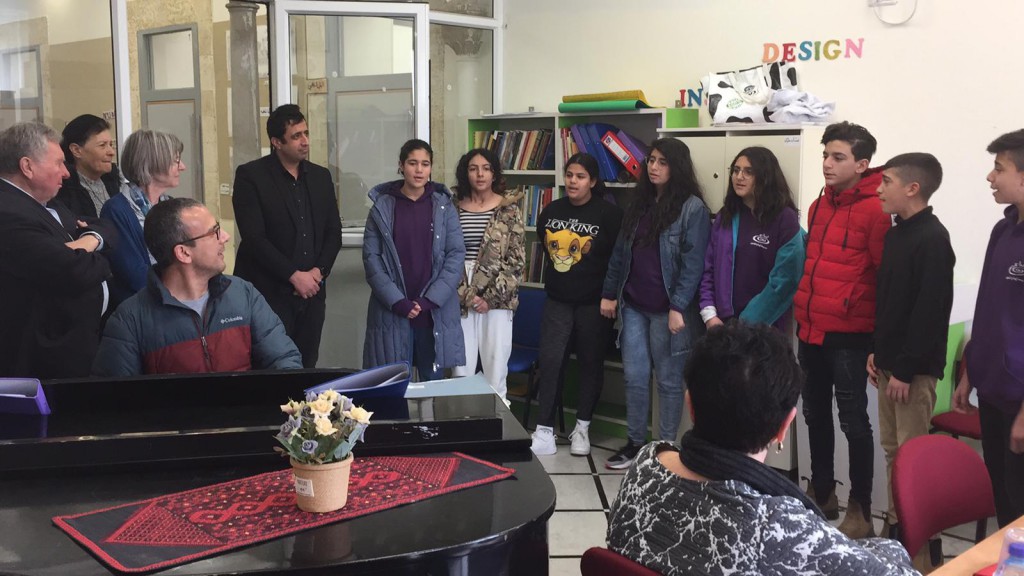
Sur Baher Girls’ High School: Located in south-east Jerusalem, it serves 347 girls and is expected to grow to 600 in 2020. To train 21st century students who are scientifically aware, academically trained and technologically savvy, the Jerusalem Foundation is seeking funds to equip the school’s science labs (biology, chemistry, physics and robotics). Sur Baher Girls’ High School will turn into a technological learning hub for East Jerusalem, serving all the schools in the area with a direct impact on more than 2000 girls. The labs will serve as a catalyst to increase the chances of girls getting into university and thus be active agents in the social and economic development of the country.
Jerusalem is a complex city with many challenges. Its diverse residents come from a wide spectrum of cultures and religions, and speak many languages. The Jerusalem Foundation supports the city’s residents to help build a modern, open and vibrant city together. In line with our vision for 2030, we are creating opportunities for cross-cultural dialogue through joint encounters, accessibility programs, and communal initiatives between Jews and Arabs, and between ultra-Orthodox and other Jews.
Our programs: Civil society institutions have a vital role to play as a force for change. At the Jerusalem Foundation’s initiative, over 50 non-profit organizations have come together through the Jerusalem Tolerance Coalition and the new Ellen Barnett Shared Living Hub operating out of our office in Jerusalem.
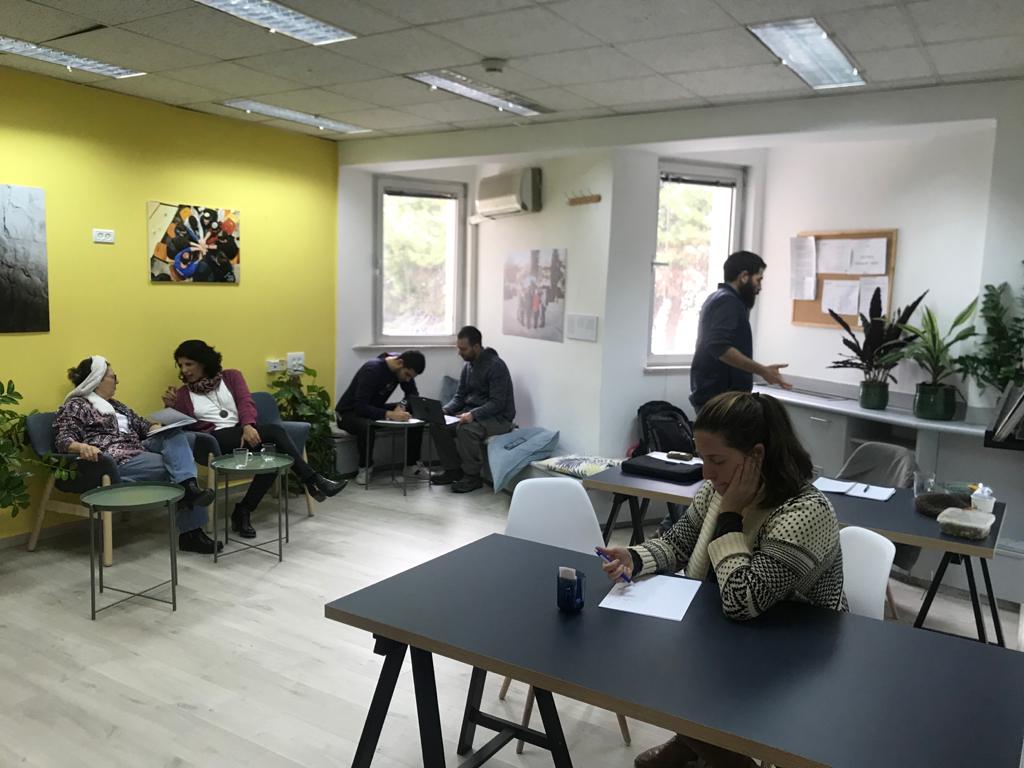
- The Jerusalem Tolerance Coalition is a joint initiative of the Jerusalem Young Adults Center and the Jerusalem Foundation. It is composed of dozens of organizations, institutions, agencies and initiatives that work to advance shared living. They focus on people of different faiths and orientations, and are seeking to make Jerusalem a city where all groups are included and live together harmoniously. One of their flagship events is the Jerusalemite Day of Diversity (Yom Yerushalmi), a series of events that mark Jerusalem Day by celebrating the diversity of Jerusalem through tours, workshops, film events, discussion circles and performances.
- The Ellen Barnett Shared Living Hub is Jerusalem’s first hub for social change organizations and initiatives promoting cross-communal and cross-cultural dialogue in Jerusalem. The Hub acts as a meeting point for the organizations that make up the Jerusalem Tolerance Coalition, empowers them to network and create partnerships, and is home to a number of ‘anchor’ groups who work out of this shared physical space:
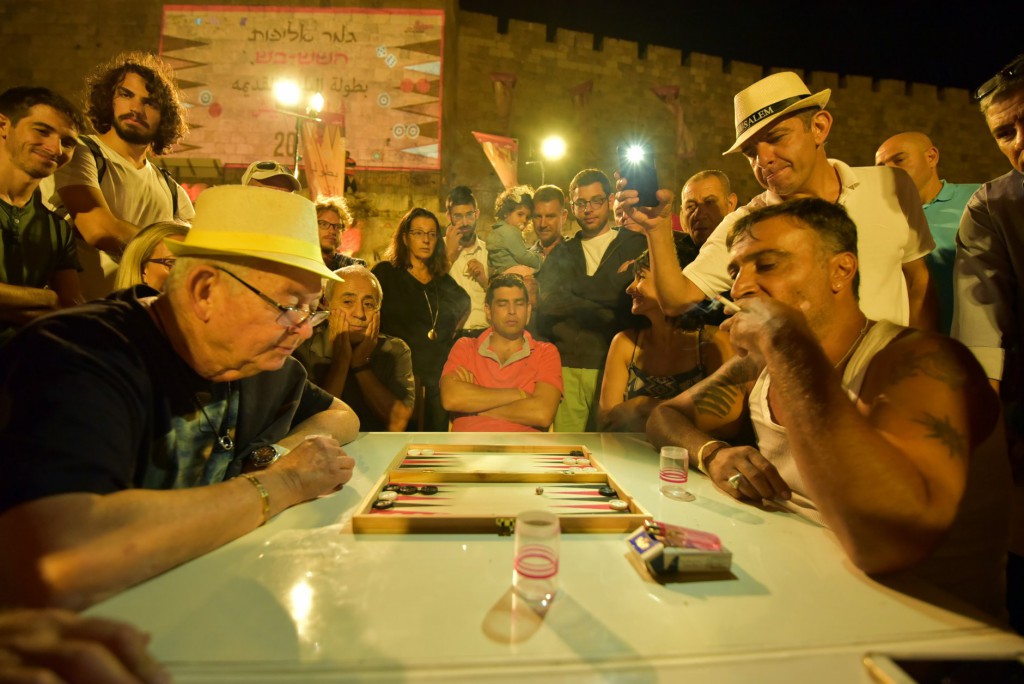
- Kulna Yerushalayim, founded by Arab and Jewish friends from East and West Jerusalem working in partnership to advance grassroots change. One of their flagship events is the Jerusalem Double, a series of backgammon tournaments to bring Jews and Arabs together.
- Learning Together in Jerusalem, training school principals and teachers from 100 Jewish and Arab Jerusalem schools to develop and promote education toward shared living for thousands of East and West Jerusalem children.
- The Shared Living Pedagogic Initiative, a pilot program that emerged from the Learning Together program above, providing intensive multicultural teacher training, pedagogic tools, curricula and dialogue techniques, for Jewish and Arab educators teaching children of different cultures, languages, religions and national identities.
- Jewish Pluralism initiatives: The Tzionei Derech social movement, which is dedicated to creating a strong, vibrant and engaged civil society committed to Judaism, pluralism and democracy; and Kehilat Zion, a pluralistic community of Israeli Jews gathering together to re-dream Jerusalem as a meeting point and inspire Jews and non-Jews through prayer, social justice and study.
Other examples of Jerusalem Foundation projects which support and advance shared living in Jerusalem include:
- The Hapoel Katamon football club, which operates a neighborhood league for Jewish and Arab youth teams, and uses sport as a tool for meaningful encounters and educating children about respect and tolerance.
- Runners Without Borders, an organization which uses running as a way to connect Arabs and Jews in Jerusalem, and as a tool to empower youth and women.
- The Jewish and Arab Teachers programme places Arab teachers into Jewish schools to teach Arabic, and Jewish teachers into Arab schools to teach Hebrew. The programme exposes schoolchildren to teachers who are native Arabic/Hebrew-speakers and from a different culture to their own teachers.
- The Multicultural Teacher’s Lounge brings together Arab and Jewish teachers from East and West Jerusalem for a series of 10 in-depth encounters, in which they share their challenges and successes, and exchange ideas through group activities, tours and dialogue workshops.
- The Max Rayne Hand in Hand School for Bilingual Education which has enabled Jewish and Arab children to study together since 1998.
- 0202 provides a new point of view of Jerusalem, through Facebook pages and a dedicated web site, which reach over 110,000 people every week, public discourse from East, West, and Haredi Jerusalem is translated into three languages, opening a window for empathy and understanding between Jerusalem’s diverse communities.
- Language as a Cultural Bridge seeks to advance language studies in both Hebrew and Arabic, for both children and adults, in a number of frameworks.